
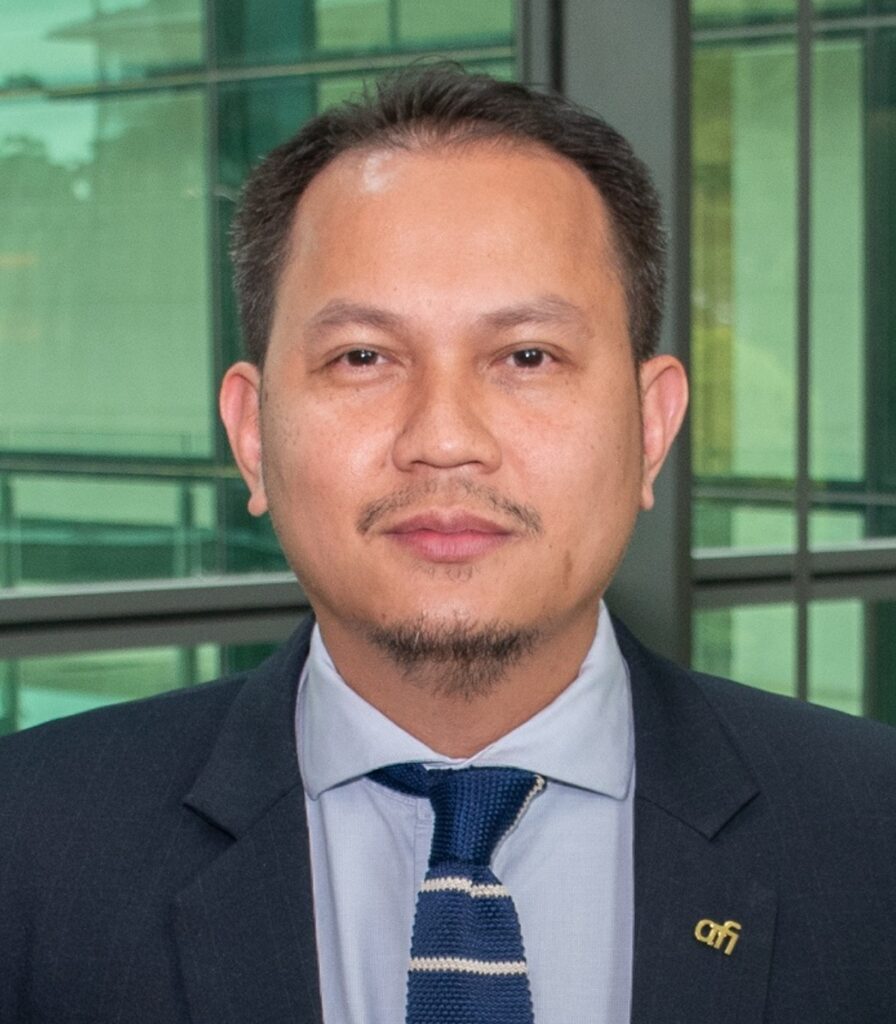
Nik Kamarun, Senior Policy Manager, SME Finance, Alliance for Financial Inclusion
What can we learn from other nations about how to create a digital finance ecosystem that supports small businesses? It turns out, quite a lot.
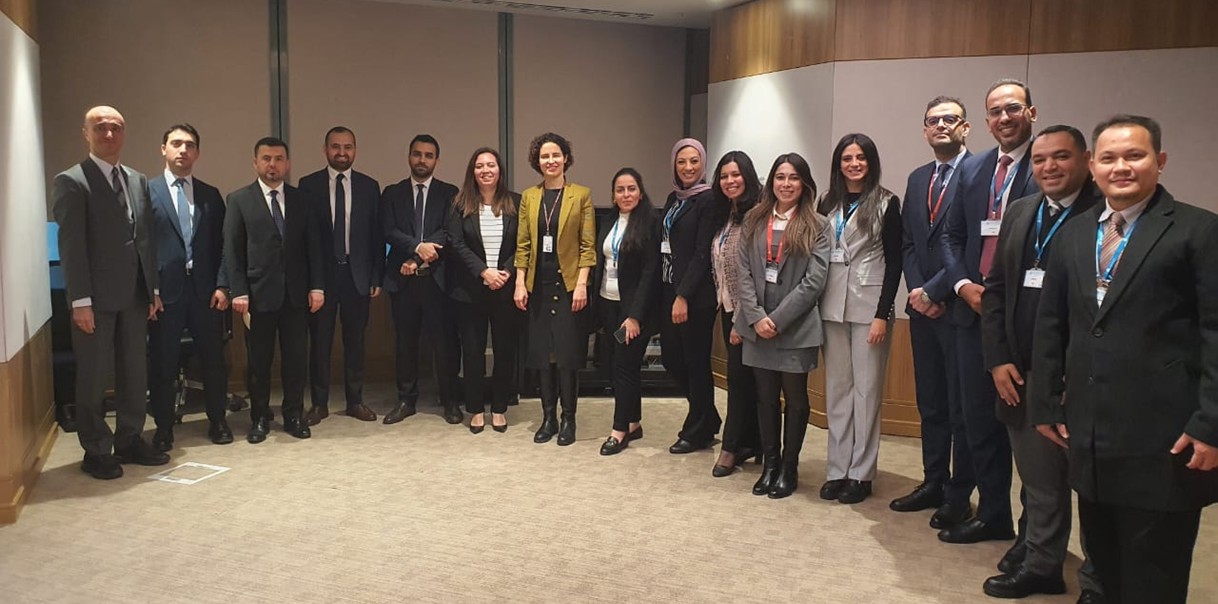
I recently joined staff from the Central Bank of Egypt (CBE) on an AFI Peer Learning Exchange visit to Türkiye. The aim was to study Türkiye’s experiences in digital lending and financial innovation for MSME finance, seeking to identify innovative policy approaches to:
- digital lending models and alternative credit scoring models
- supply chain finance
- leveraging digital marketplaces for MSMEs
- financial and digital financial literacy
Why did we choose Türkiye for the visit?
Türkiye and Egypt share important characteristics. Both have large populations and diversified sectors, including manufacturing, agriculture, tourism, and services. In both countries, small businesses drive the economy: in Türkiye MSMEs account for 99.6% of all firms, contribute 69% of the workforce, and generate 44% of turnover and 30% of exports.
In Türkiye banks are the primary providers of MSME credit, while fintech firms and digital platforms complement the ecosystem, an approach which has allowed digital lending to scale while maintaining prudential standards and systemic stability. During our five-day visit, we engaged with a variety of stakeholders, including the Central Bank, Capital Markets Board, the national SME Development Organisation (KOSGEB), Credit Bureaus, and commercial banks.
What did we learn?
Regarding digital banking, we learnt how the GETS Guaranteed Payment System in Trade operates on a contingent credit line by providing a payment guarantee for both parties, ensuring that the seller receives the payment on the due date. SME Movement and Akbank Mobile platforms provide a comprehensive digital ecosystem that includes loan applications, POS management, and daily corporate operations. Akbank prioritizes technology investments through its Digital Transformation Financing Facility, offering specialized loans designed to fund technology investments. Türkiye’s crowdfunding ecosystem has reached a significant scale, with 19 licensed platforms providing TL 1.3 Bn in funding for 160 companies and engaging 45,000 investors.
Innovative credit scoring models promote lending to MSMEs
The Central Bank allocates larger credit limits to banks with MSME-heavy portfolios, backed by the bank-owned Credit Guarantee Fund (KGF), which offers 70–100% coverage in the absence of private alternatives. These specialized rediscount programs offer a low preferential rate of 25%. KOSGEB provides a mix of direct grants, interest-free or concessional loans, and interest rate subsidies on commercial bank loans, and works in partnership with KGF. Within this blended model, where public resources provide the guarantees and subsidies, while commercial banks retain responsibility for credit appraisal and disbursement, a comprehensive scoring model incorporates non-financial indicators such as environmental impact, digital maturity, and innovation potential, rather than relying solely on traditional balance sheets.
Robust and comprehensive digital infrastructure
Government databases are integrated with e-KYC and implementation of e-signature. A Risk Centre, operated in coordination with the Central Bank, provides a comprehensive credit information ecosystem – its core functions include Comprehensive Data Collection, Institutional Governance, Empowering SME Financing, Reporting and Stability.
The Credit Bureau of Türkiye (KKB) represents a cornerstone of the digital lending ecosystem – membership is mandatory for all banks and financial institutions. KKB provides a suite of high-tech services that extend beyond traditional credit reporting, focusing on digitalization, security, and strategic decision-making.
A focus on women-led and agricultural businesses
Ziraat Bank has createddigital solutions for farmers through Innovative Credit Rating & Data Integration, Digital Application & e-KYC, Collateral and State-Supported Insurance, and SME Digital Transformation Tools. Farmers benefit from subsidized loans which are issued from bank resources, with the subsidy applying to the interest rate rather than the principal. A digital platform provides structured training on how to use digital financial services, and also includes practical guidance on agricultural production and sustainable farming practices.
Digital financial literacy for women-led MSMEsis being accelerated through initiatives such asHalkbank Women Entrepreneurs Academy, Akbank Transformation Academy, Turkish WIN Women MSME Mentorship, while The Banks Association and Participation Banks Association are working to build banking and supply-side capacity.
Key takeaway: coordination and alignment are vital
I’m very grateful to the Central Bank of the Republic of Türkiye and the other stakeholders we met, who so generously shared their expertise and experience. The Central Bank of Egypt team were highly committed and engaged throughout the visit, and took away valuable insight on how to promote digital onboarding (e-KYC), data-sharing frameworks to improve MSME credit assessment, how to promote digital financial literacy, and how to develop initiatives targeting the agricultural sector and women-led MSMEs. There will now be a follow-up meeting between CBE and Türkiye‘s Banking Regulation and Supervision Agency.
As for me, what struck me above all is that coordinated regulatory, supervisory, and institutional frameworks are vital to develop a sustainable digital MSME finance ecosystem. Regulators, financial institutions, fintechs, and supporting agencies all need to be aligned, as they so clearly are in Türkiye.