Investing in women’s financial inclusion makes sense. Increasing their economic participation speeds up development, helps overcome poverty, improves children’s health and nutrition, and boosts child education. Women own up to one third of small businesses in developing countries, and can be important drivers of economic growth and job creation.
Much work remains to be done to address structural inequalities that prevent women from accessing finance, and from achieving their full potential. These include legal, regulatory, societal, and cultural barriers that prevent women from registering businesses, owning land or property, or opening bank accounts.
Increasing women’s financial inclusion, and narrowing the gender gap through gender responsive financial policy and regulation, has been at the forefront of AFI’s policy discourse since members adopted the Denarau Action Plan (DAP) in 2016, committing themselves to addressing barriers, advancing gender inclusive finance, and promoting female leadership.
Through peer learning, knowledge products, and capacity-building initiatives, the AFI network has significantly expanded our understanding of how to develop and implement effective gender inclusive policy.
At the 2024 Global Policy Forum, AFI revealed its Gender Inclusive Finance Policy Model. For the first time, policymakers now have access to a framework, based on empirical evidence from around the world, that helps them to craft and implement effective policies.
As the AFI network marks 10 years of the DAP, this milestone reflects a decade of collective action, collaboration and progress in advancing women’s financial inclusion globally.
Adoption of the Denarau Action Plan

AFI members commit to halving the gender gap in financial inclusion. The first global policy framework for gender inclusive finance is established.
From Adoption to Institutionalization

AFI integrates gender into its core activities and establishes the Gender Inclusive Finance Committee. AFI members commit to specific targets to close gender gaps.
Building Leadership and Data Foundations

AFI launches Leadership and Diversity Program for Regulators. First AFI member pilot projects to support sex-disaggregated data frameworks.
Accelerating Policy Adoption
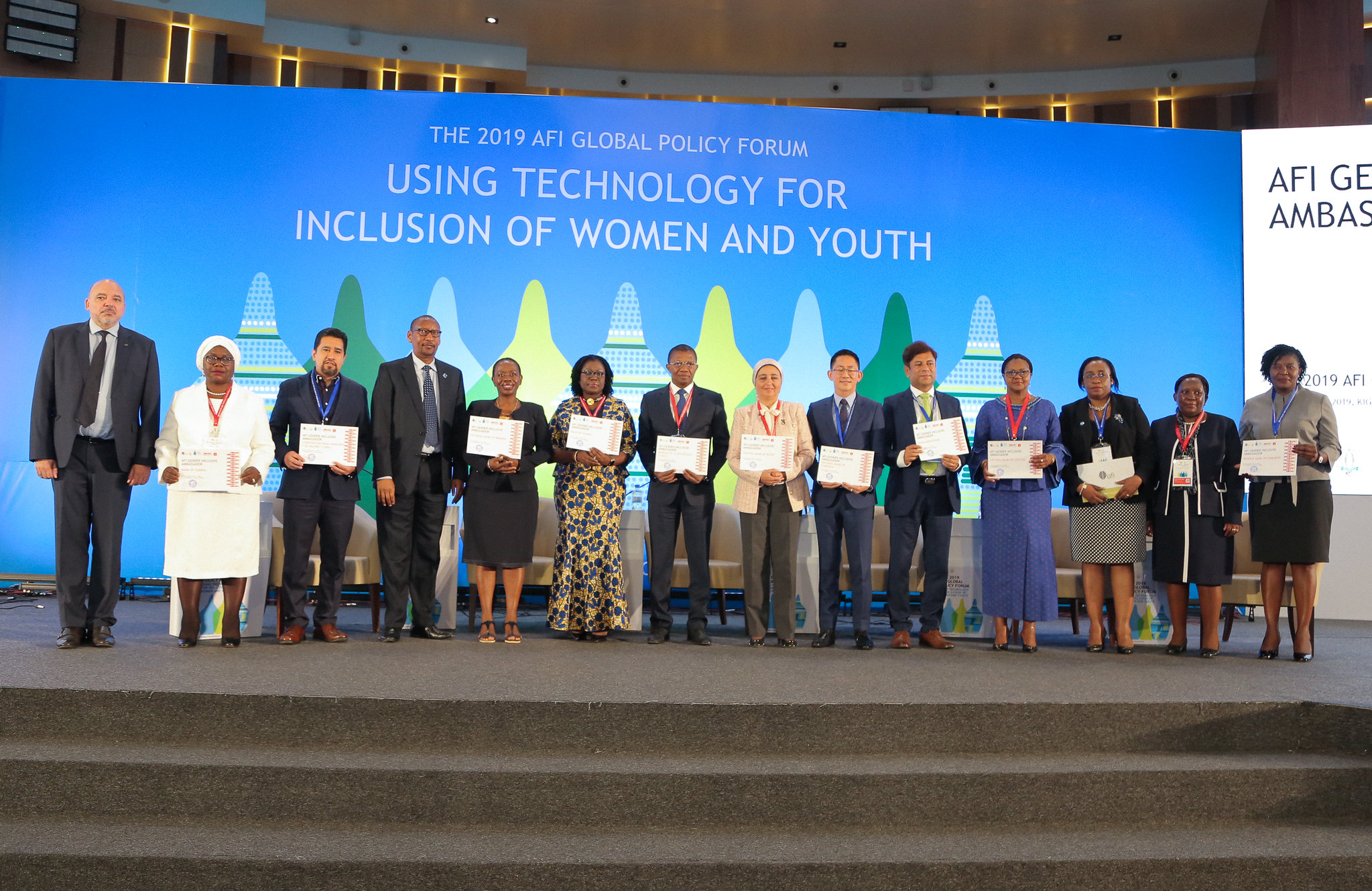
AFI launches GIF Ambassadors initiative, and GIF in-country implementation support to members. Growing number of Maya Declaration commitments on gender.
Gender Policies Creating Resilience

Increased integration of gender considerations into policies, notably COVID-19 responses. Greater emphasis on promoting women’s financial resilience and digital inclusion.
Advancing Data and Policy Tools

Gender Focal Points created in all AFI Working Groups. Increased adoption of sex-disaggregated financial inclusion indicators. Growth in policy reforms addressing women-led MSME finance.
Shifting Emphasis from Access to Impact

Denarau Action Plan updated to highlight usage, quality, and impact. AFI members commit to SMART targets for women’s financial inclusion. Significant increase in GIF-related policy changes.
Scaling up Knowledge and Participation
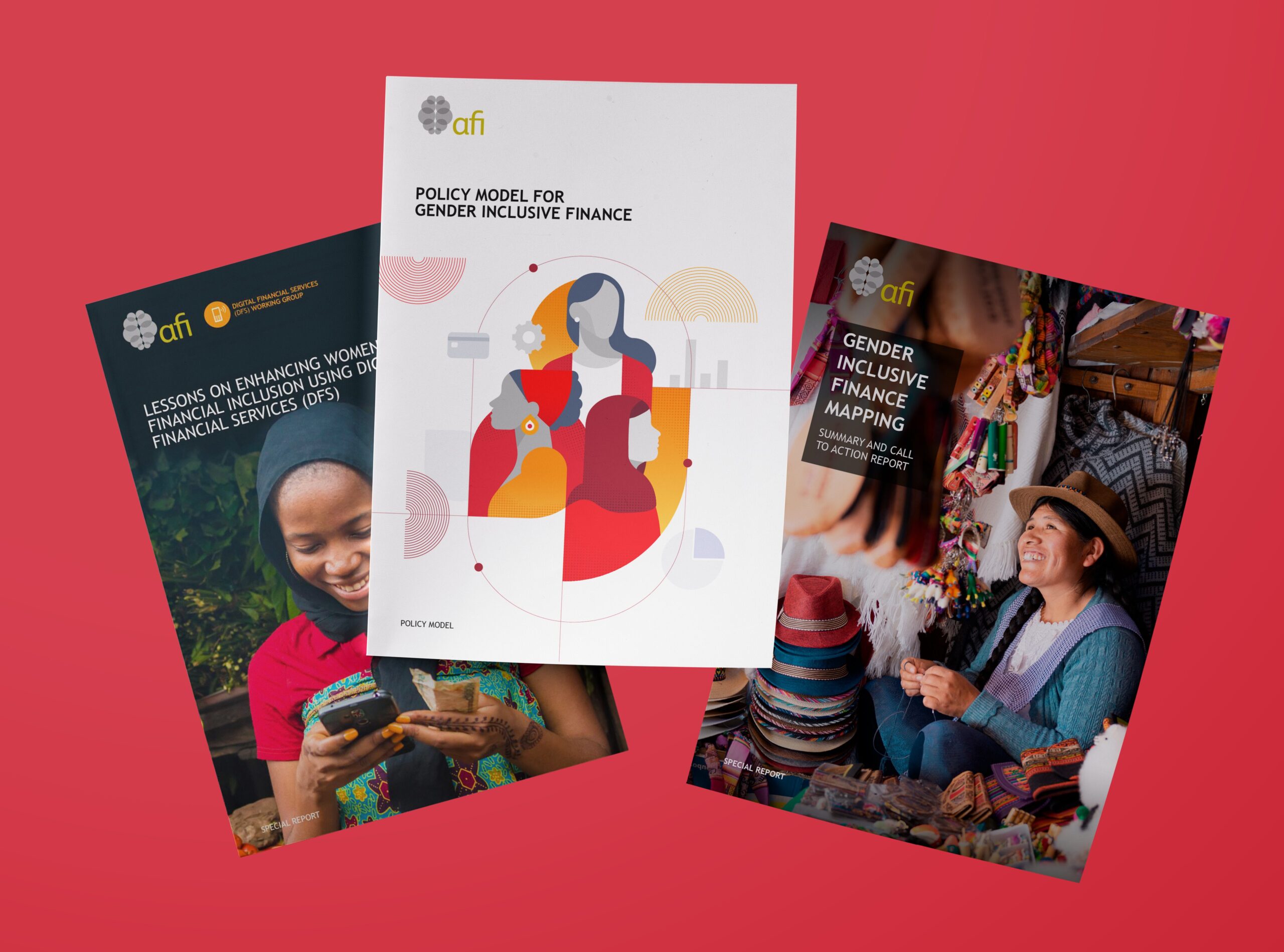
40+ gender inclusive finance publications, reports and case studies produced by AFI network. Continued growth in Maya Declaration gender commitments. Increased participation of women in AFI training programs.
Launch of AFI Policy Model on Gender Inclusive Finance
For the first time, policymakers have access to a framework, based on empirical evidence from around the world, that helps them to craft and implement effective policies.
Strengthening AFI’s Global Leadership Role
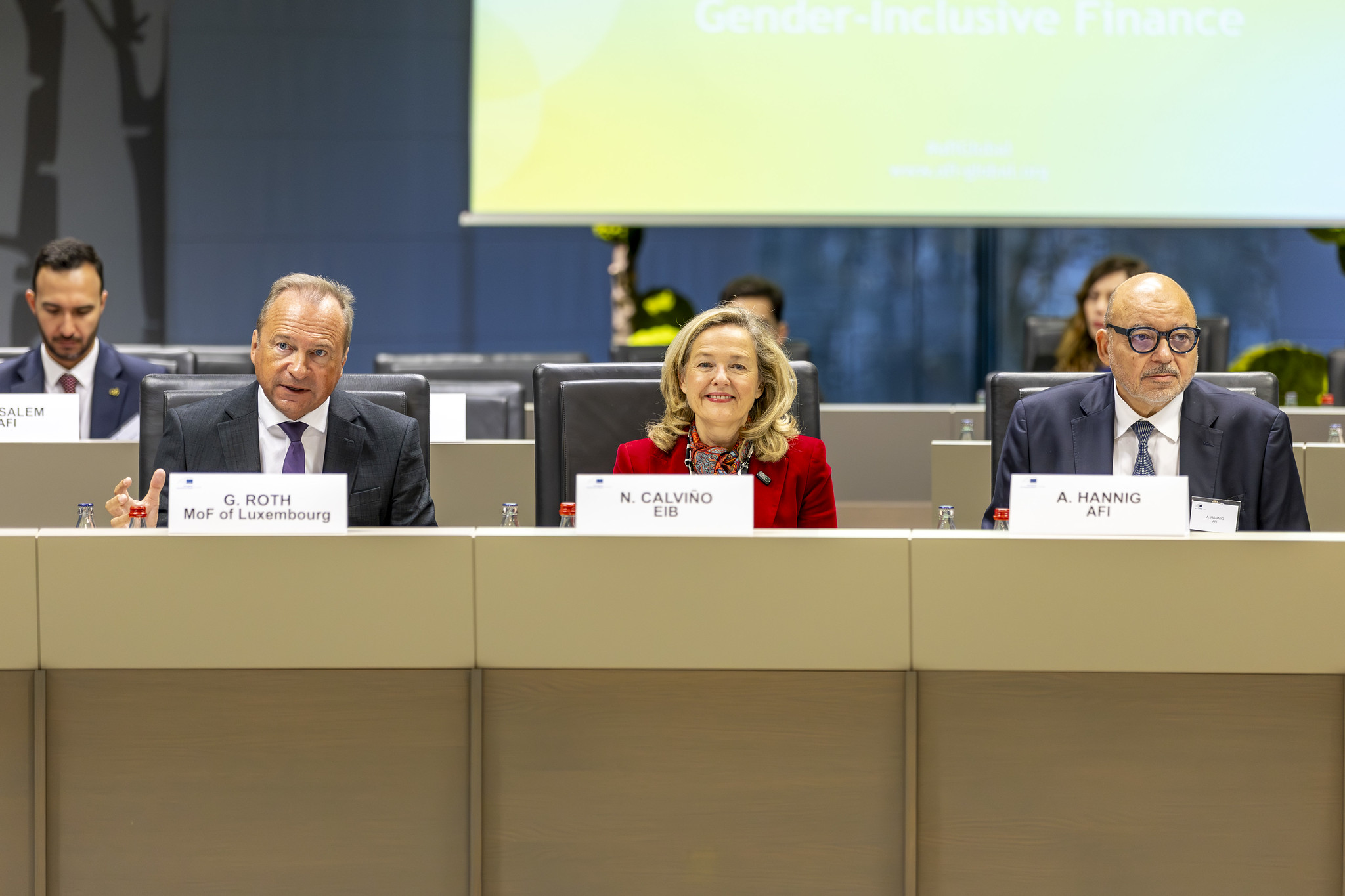
AFI creates GIF partnerships with development partners and standard-setting bodies, and launches the Euro–Global Inclusive Policy Dialogue, generating international recognition of GIF as a contributor to financial stability and resilience.
Celebrating a Decade of Impact
AFI marks 10 years of providing global leadership on gender inclusive finance. AFI promotes global financial inclusion data architecture, and leadership pipeline for women regulators.

-






 Videos