
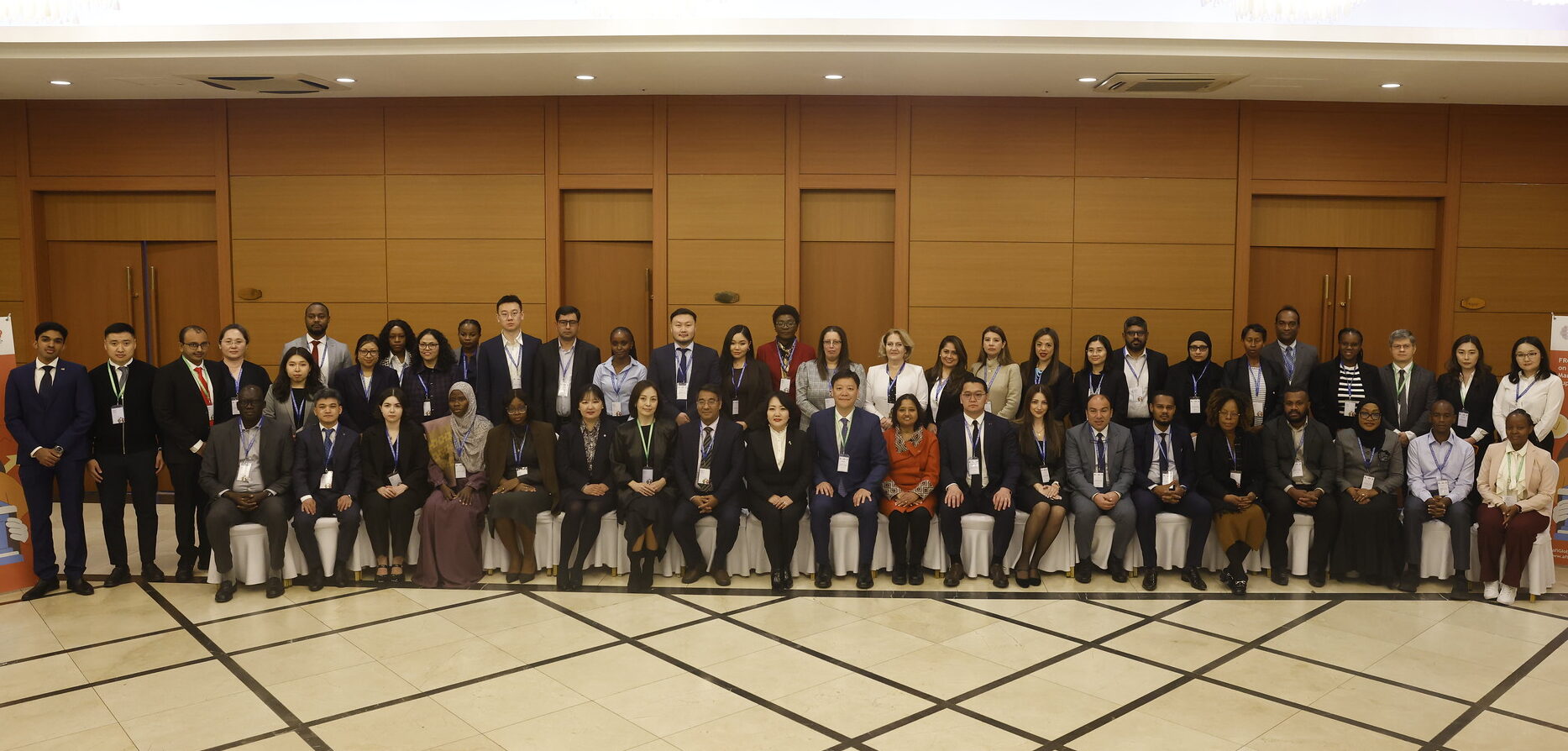
From 5 to 8 May 2026, a training event in Ulaanbaatar organized by AFI and the Financial Regulatory Commission of Mongolia (FRC) examined how gender-sensitive consumer protection measures can be integrated into market conduct frameworks.
“We often say that financial inclusion is about access to financial services, but access alone does not mean equality,” said FRC Chairman, Tundev Jambaajamts. “One of the clearest gaps we see is in connection with women-owned businesses, who still receive significantly less financing. Building a more inclusive financial system will require better data, better policy, and continued cooperation among regulators, industry, and development partners.”
“Ensuring the proper functioning of financial markets, expanding financial access, and improving financial literacy are essential foundations for sustainable development,” said D. Uuriintuya, Member of Parliament and President of the Social Democratic Mongolian Women’s Association. “Integrating gender-sensitive approaches into financial policies, supervision, and regulation will help create a more inclusive and equitable financial system.”
“The training theme addresses a critical challenge in consumer protection,” said AFI’s Head of Capacity Building, Madhurantika Moulick. “Traditional supervisory frameworks often adopt a ‘gender-neutral’ approach which may fail to capture the specific risks and barriers faced by women consumers, such as algorithmic bias, targeted digital financial fraud and unsuitable product design.”
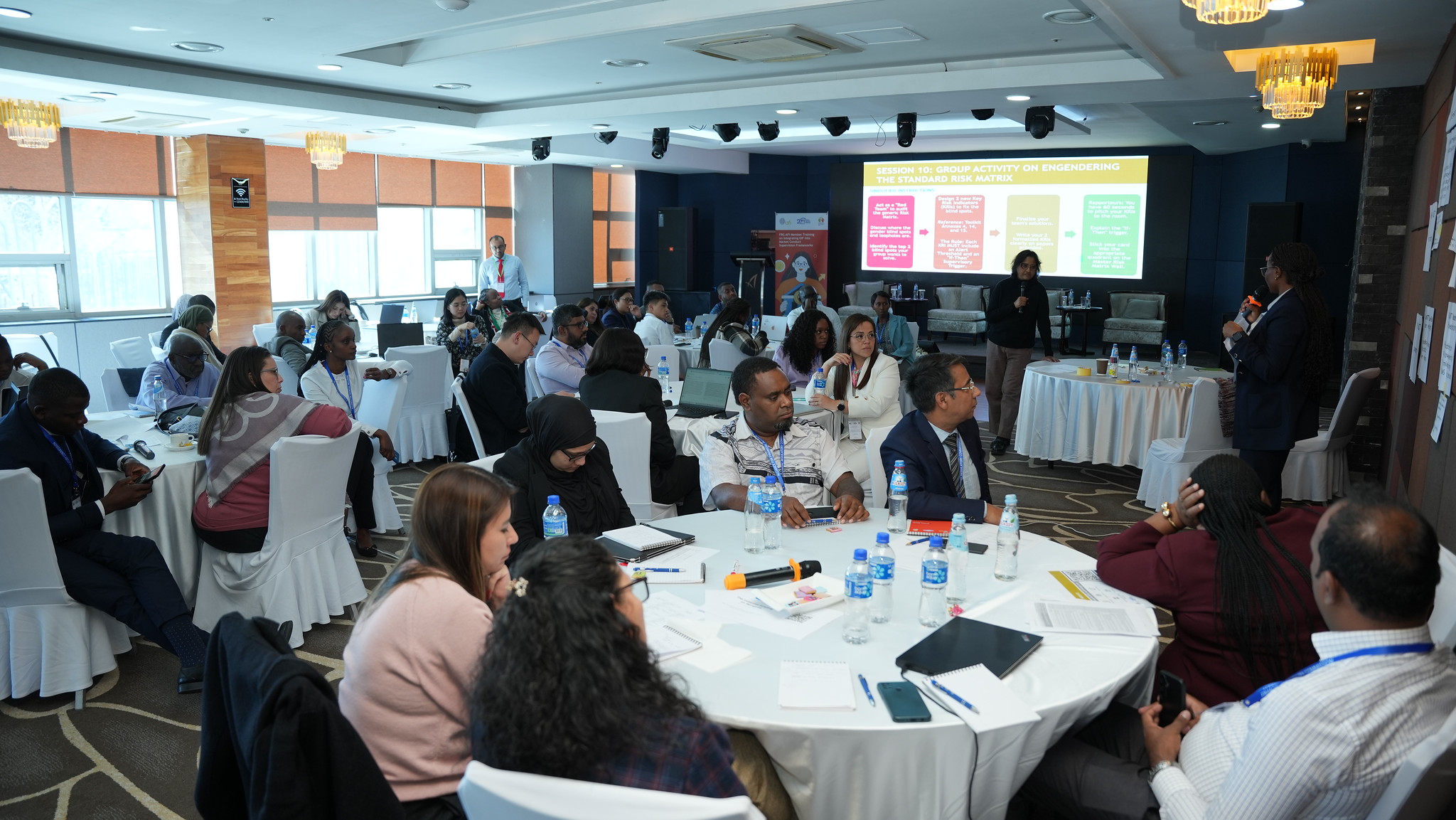
Forty-five participants attended the event, including representatives from the National Bank of Rwanda, Palestine Monetary Authority, Nepal Rastra Bank, Uganda’s Ministry of Finance, Planning & Economic Development, FSRA Eswatini, Bank of Zambia, Central Bank of Kenya, Bank of Ghana, Bank of Uganda, Bank Negara Malaysia, Central Bank of Egypt, SBS Peru, and the Bank of Tanzania.
Participants shared their respective market conduct supervision approaches, shedding light on how national strategies, data dashboards, and consumer empowerment policies can overcome structural gender barriers. Sessions explored how to build effective redressal mechanisms for women consumers, and how automated tools can be utilized to monitor digital market conduct and detect algorithmic bias against women. Discussions also covered how to modify institutional risk matrices to include gender-specific risk indicators, standardize sex-disaggregated data collection, and use tools such as Mystery Shopping and SupTech to detect gender-based discrimination.
The program drew on key AFI Knowledge Products, including the AFI Market Conduct Supervision Toolkit, the recently issued State of Gender-Sensitive Consumer Protection (GSCP) Toolkit, and the Policy Model for Gender Inclusive Finance.