
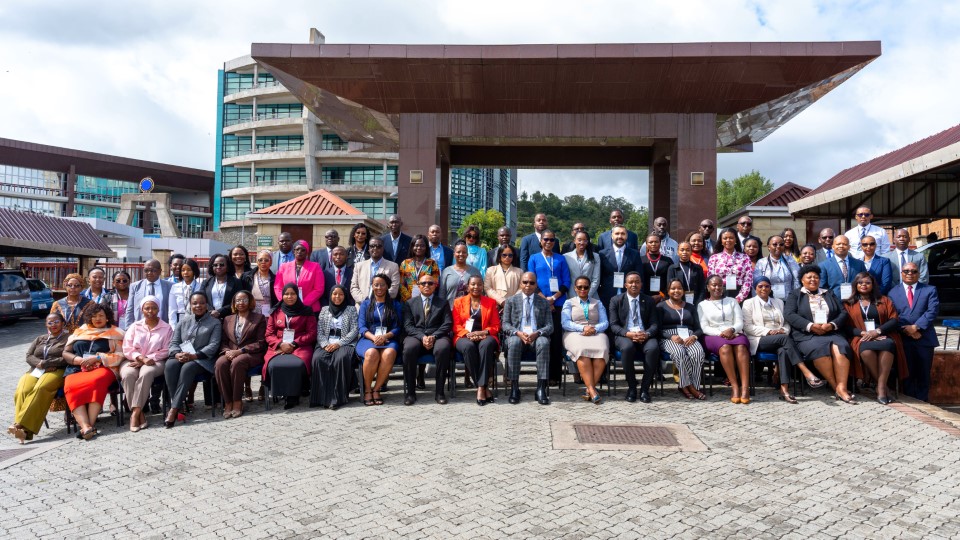
From 24-27 February, AFI and the Central Bank of Lesotho co-hosted a Joint Learning Program on Alternative Finance Instruments for Women-led Micro, Small and Medium Enterprises (WMSMEs).
“Women play an important role in our society, but are often left out of the formal financial sector and from the mainstream economy,” highlighted Central Bank of Lesotho Deputy Governor, Lehlomela Mohapi. “This event is about bringing these excellent resource managers into mainstream economies and unlocking economic growth.”
The event explored how policymakers and regulators can build ecosystems in which financial service providers can leverage alternative finance instruments to deliver targeted products for WMSMEs. Participants examined supply-side barriers, evaluated alternative finance models like digital credit, venture capital and blended finance, and discussed ways to strengthen the pipeline of “investable” women-led businesses.
In addition to the Central Bank of Lesotho and its local stakeholders, many of AFI’s African members shared their expertise during the event, including the Bank of Zambia, Reserve Bank of Zimbabwe, Central Bank of Kenya, Central Bank of Egypt, Bank of Uganda, and Bank of Ghana.
Other speakers included Finmark Trust, 2X Global, the United Nations Development Programme, and Deutsche Gesellschaft für Internationale Zusammenarbeit, who provided expert insight on ecosystem development and catalytic financing, as well as women entrepreneurs who shared their experience of running small businesses. Participants also visited a local marketplace to hear from women business owners about their financing challenges.
The program drew on insight from a number of recent AFI publications, including A Policy Framework for WMSME Access to Finance (V.2), Survey Report on FinTech for MSME Access to Financing (V.2), Alternative Data for Credit Scoring, Survey Report on Alternative Financing for MSMEs“ and the Policy Model on Gender Inclusive Finance.