

Mariam Zahari, Policy Specialist; Ezekiel Alex George, Membership Engagement Officer; Alliance for Financial Inclusion
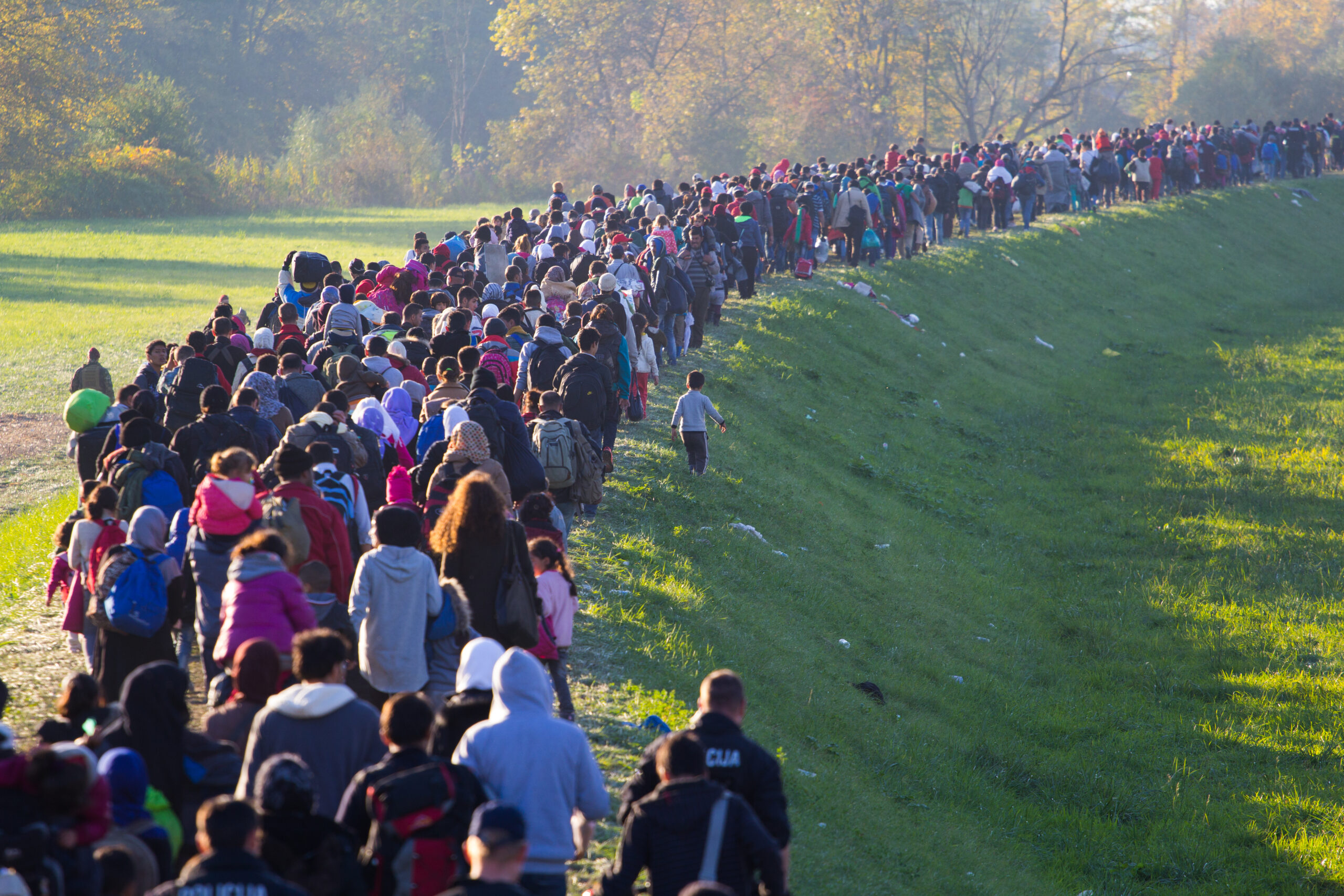
‘World Refugee Day’ is our yearly reminder of the terrible impact of being forced to flee one’s home, and of the opportunities we have to assist.
Currently, 118 million people worldwide are forcibly displaced, including 41 million refugees and 69 million internally displaced persons (IDPs). For refugee-hosting countries, this creates a massive financial burden, which humanitarian assistance alone cannot cover. That’s why, within the AFI network of central banks and financial regulators, we are actively championing policies that generate opportunities for refugee self-reliance and economic participation, via financial inclusion.
The power of remittances
One key policy area involves improving the efficiency, affordability, and accessibility of remittances.
For refugees, remittances are often a lifeline for survival. But sending and receiving remittances also represents a vital entry point into the formal financial system. It can stimulate access to basic bank accounts, electronic wallets, or microcredit, opening up possibilities for saving, allowing households to manage their budgets, invest in education and healthcare, and build resilience to shocks.
Today, however, most refugees still use informal channels such as physical cash delivery, informal value transfer systems, or community networks, instead of those offered by banks, money transfer operators (MTOs) or payment service providers.
The reasons for this include:
- Lack of Documentation: Many refugees cannot meet Know Your Customer (KYC) requirements, such as possessing valid passports or proof of address, making it nearly impossible to deal with formal financial service providers. Furthermore, refugees often self-exclude, due to the fear that disclosing their identities or their families in the recipient countries could jeopardize their safety.
- High Transaction Costs: Formal remittance operators may charge very high fees. On average, 6 per cent of the amount sent goes towards currency conversion costs and fees, while fees in high-risk corridors can reach well over 10%.
- Lack of Physical Access: People living in remote refugee camps struggle to access physical bank branches or authorized MTO agents.
How to bring refugees into formal financial services?
AFI members are tackling the challenge in multiple ways:
- Designing inclusive national approaches
In the Dominican Republic, the national financial inclusion strategy specifically targets migrants and refugees, emphasizing digital inclusion and innovation, and acknowledging formal remittances as a key driver for financial inclusion.
Financial education underpins financial resilience, and many countries are working to promote digital financial literacy among refugee communities. This includes tailored education campaigns in different languages, and partnering with community organizations to overcome cultural, linguistic, and trust barriers.
- Promoting basic and low-Cost financial accounts
Simplified accounts represent an important entry point to formal remittance channels and to broader inclusion. In Peru, SBS Peru promotes the use of basic bank accounts and simplified e-money accounts, while remittances are exempted from General Sales Tax, and payment system interoperability enables cross-border financial mobility. This makes a difference – research shows that for every 1% rise in the cost of remittances, amounts sent fall by 1.6%.
In Kenya, the Central Bank supported the launch of M-PESA, a mobile money platform that works on basic phones, allowing for all types of financial services to reach remote areas (such as refugee camps). In 2025, the Refugee Identity Card became a valid document for SIM card registration – today, over 90% of remittances flow through formal channels.
- Facilitating partnerships, internationally and locally
Partnerships create opportunities to promote digital interoperability, and to strengthen national regulatory, supervisory, and monitoring capabilities that support refugee inclusion.
Bank Negara Malaysia collaborated with the International Bank for Reconstruction and Development to implement Project Greenback 2.0, which introduced digitally enabled remittances, translating into US$ 31 million in remittance cost savings.
Working with local stakeholders helps financial institutions understand which ID documents the government requires for forcibly displaced customers to access financial services. Comprehensive roadmaps and clear directives are also needed, to guide financial services providers through the regulatory approval of various forms of partnerships, such as between money transfer operators and local transfer agents.
It is also vital that agents understand relevant regulations, have the proper incentives, and have been properly trained to see and treat forcibly displaced persons as legitimate customers.
The lasting benefits of refugee financial inclusion
Creating efficient, transparent, secure and affordable remittance systems which serve refugees is complex. But the experience of AFI members reveals that, once displaced groups are brought into formal financial services, it benefits the whole economy, supporting resilience and macroeconomic stability for the host community.
As we mark World Refugee Day, the AFI Network remains committed to supporting forcibly displaced people. Financial inclusion creates the opportunity to alleviate the vulnerability of those fleeing crisis, opening the door for them to rebuild their lives with dignity.