

Felicia Dlamini-Kunene, Deputy Governor, Central Bank of Eswatini
On 2026 International Women’s Day, which calls for action on extending women’s rights and justice, I’m reminded of how vital financial inclusion is for empowerment. Indeed, our experience in Eswatini proves it, particularly when it comes to women entrepreneurs.
Why should we care?
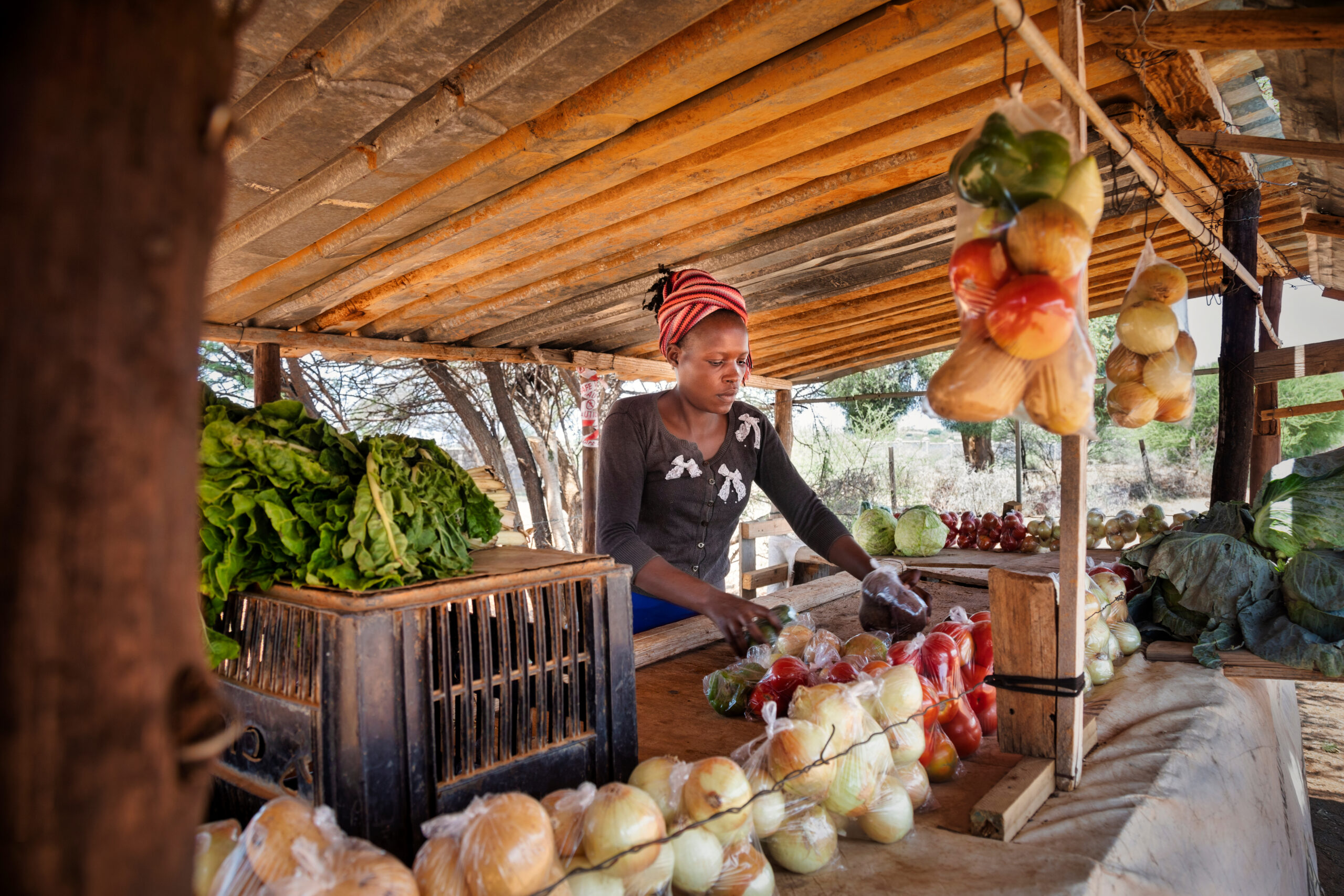
Small businesses are the heart and soul of our economy, generating 50% of national GDP and the vast majority of jobs – and 60% of those firms are owned by women.
Women are natural entrepreneurs, but historically, women-owned MSMEs (WMSMEs) have faced systemic barriers which hold them back. Most operate informally, and struggle to obtain the support needed to grow. They suffer from limited access to finance, collateral constraints, and costly banking services.
At the Central Bank of Eswatini, we know that women entrepreneurs are critical to unlocking our nation’s economic potential and advancing inclusive growth. So we set out to foster an environment that will provide women with what they needed.
What can we policymakers do?
At a policy level, we are supporting WMSMEs through initiatives such as our National Gender Policy, Gender Inclusive Finance Roadmap, 2024-2029 MSME Policy, Citizen’s Economic Empowerment Act, and 2023-2028 National Financial Inclusion Strategy.
We complement this policy architecture with targeted financial mechanisms, including credit guarantee schemes and MSME revolving funds which minimize collateral burdens. Through the Small Enterprises Development Company we also provide business development services, incubation, and advisory support to strengthen enterprise viability and formalization.
We are institutionalising the collection and analysis of sex-disaggregated financial data, to better understand women’s usage patterns, constraints, and risk profiles, making it easier to develop tailored products and services, and to design gender-sensitive credit policies.
Above all, we are focused on identifying practical solutions that open doors for women to access and use finance, including:
- tiered Know Your Customer requirements which allow them to open accounts with minimal identification for low-risk, low-value transactions
- no-frills bank accounts with low or no minimum balance requirements, and minimal transaction fees
- expanding digital financial services, mobile money and agent banking models.
- strengthening outreach and delivery channels in rural areas, where most women-owned enterprises operate.
How is our country benefiting?
When women are financially included, the whole nation wins. When women generate income, they use it responsibly – it supports children’s education, nutrition, and health. It builds resilience at family and community level. When women-owned businesses grow, it creates jobs, spreads prosperity, and contributes to inclusive and equitable economic development. When women succeed, it sends a powerful signal to girls that they too can fulfil their potential.
Key learning: women’s financial inclusion requires everyone
Our experience has made it clear that building an inclusive, resilient financial system that enables women entrepreneurs to thrive requires not just appropriate policies, but also:
- institutional support networks
- mentorship opportunities
- access to markets.
It needs a multifaceted approach that combines financial innovation, digital tools, human capital investment, supportive institutions, and inclusive policy frameworks. In each area, collaboration between regulators, the private sector, and civil society is critical. We all have our role to play.
There is so much to gain, if we stay on the inclusion path
Our experience in investing in women’s financial inclusion reveals that it’s a multiplier. When we give women access to financial services, markets and opportunities, everyone gains – families, communities, and entire nations.
We’ve come a long way, but on International Women’s Day, I’m reminded that there is still much to do. And I’m inspired to keep going.