
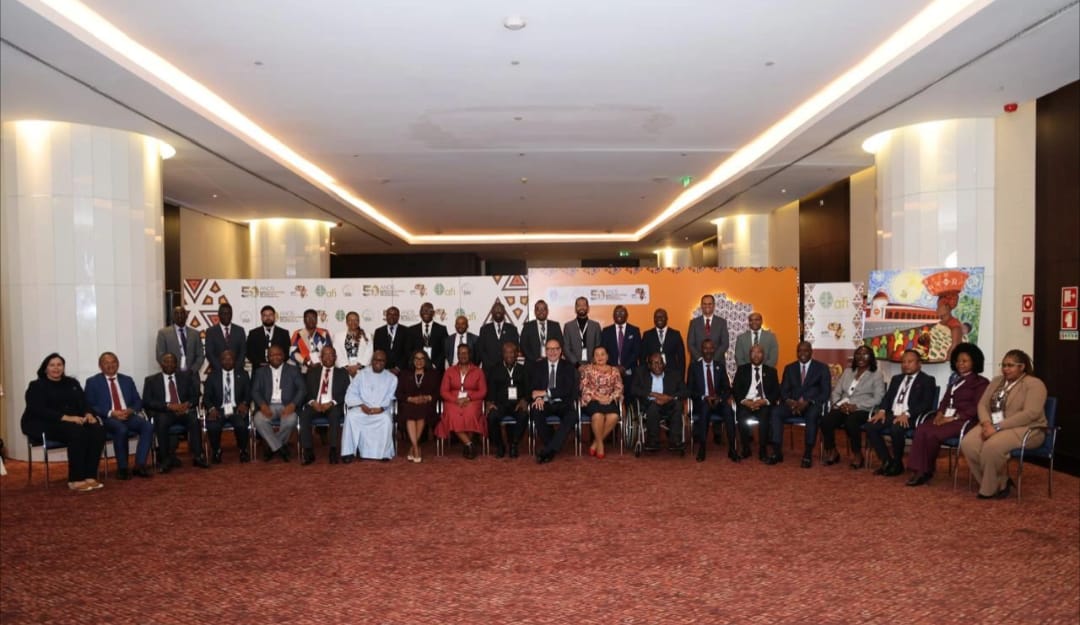
On 10 July in Luanda, the leaders of AFI’s African Financial Inclusion Policy Initiative (AfPI) set out their commitment to building inclusive financial systems that support long-term economic transformation.
At the conclusion of a two-day meeting hosted by Banco Nacional de Angola, AfPI Leaders issued a Communiqué on Creating Inclusive Prosperity for Africa, calling for policies which focus on delivering meaningful usage, improved financial health, stronger resilience, better livelihoods, and inclusive economic growth.
“Africa has made remarkable and sustained progress in financial inclusion,” said AfPI Chair, Matilda Asante-Asiedu, Deputy Governor of Bank of Ghana. “But as financial systems that were once largely bank-centric have evolved into diverse ecosystems, our conversation must move from access to impact, from policy intent to measurable outcomes, and from isolated national progress to shared continental priorities.”
“It is no longer sufficient to measure success by the number of bank accounts opened, digital wallets activated, or banking agents deployed,” said the Governor of Banco Nacional de Angola, Manuel António Tiago Dias. “The real challenge is to ensure that financial inclusion delivers tangible improvements in people’s lives by contributing to poverty reduction, increased productivity, the creation of economic opportunities, and greater resilience for households and businesses.”
“In order to achieve inclusive prosperity, we must extend and deepen our efforts where they can have most impact,” said AFI Chief Executive Officer, Dr Alfred Hannig. “Next-generation financial inclusion will involve ensuring that participation in the formal financial system creates empowerment for individuals, households, farmers, women, entrepreneurs, young people, and vulnerable groups.”