
By Vimbai Sharon Muchedzi, Principal Bank Examiner, Reserve Bank of Zimbabwe

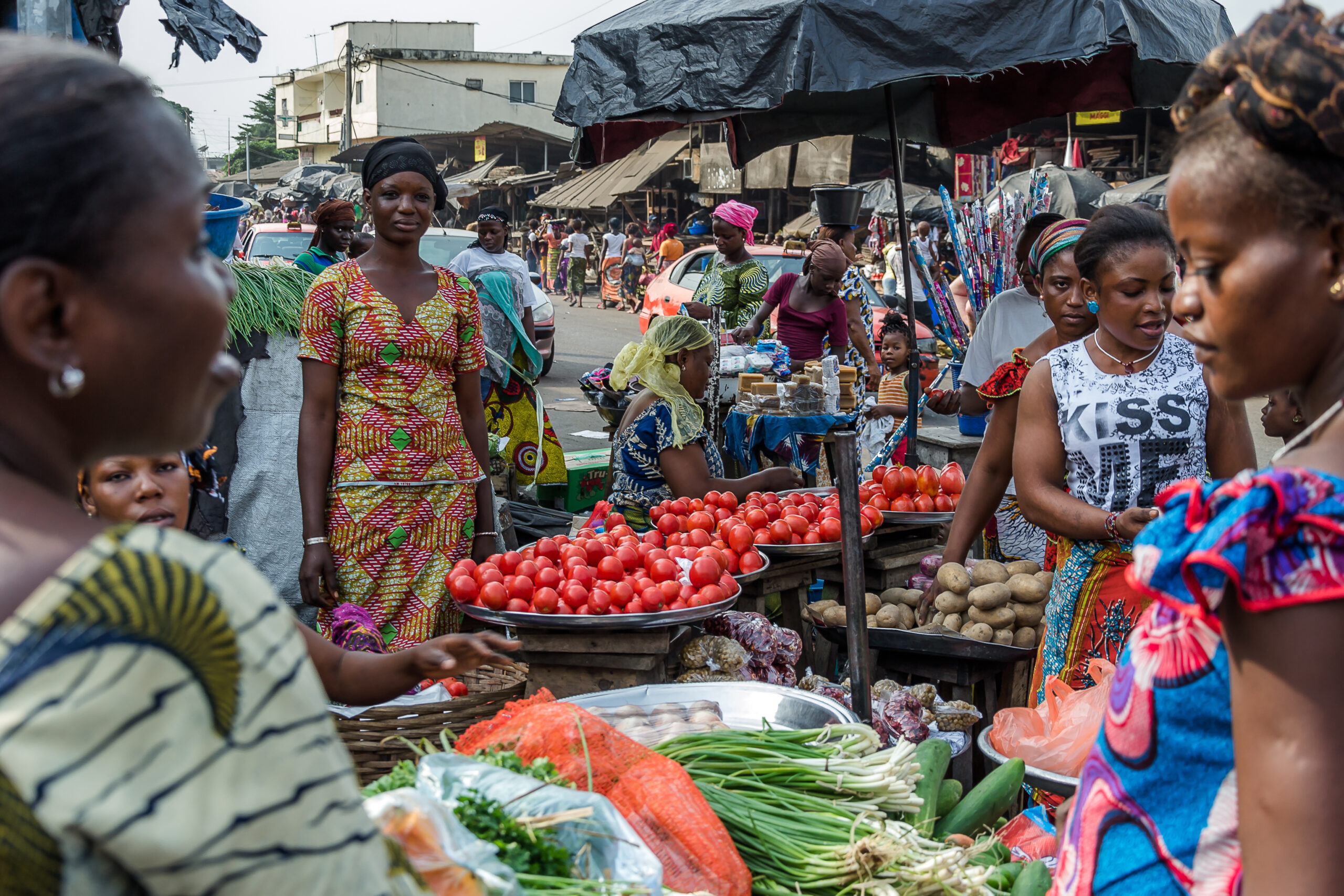
Women-owned businesses account for more than 60% of Zimbabwe’s MSMEs. The sector forms the backbone of the country’s economy – making up more than half of its GDP and employing over three million people. Yet less than 15% of the country’s MSMEs are formalized.
Limited access to financial products and services is largely to blame. Women entrepreneurs traditionally lack collateral, credit histories and financial education, while outdated credit assessment models fail to take these limitations into account.
As policymakers, we have the power to change this. We can build stronger credit infrastructures – including credit registries and collateral registries – that help narrow system information gaps. We can implement proportional, stakeholder-coordinated policy and regulation that aligns with women entrepreneurs’ real-life challenges and incentivizes MSME formalization. We can provide institutional support and capacity building. And we can explore alternative financing models like crowdfunding, value chain financing, and P2P lending for MSMEs.
Currently, Reserve Bank of Zimbabwe (RBZ) is actively laying the groundwork for a stronger women’s MSME sector. We’re tackling this via:
- Credit infrastructure –- warehouse receipt systems, credit guarantee schemes and credit information sharing systems are simplifying MSME financing and narrowing information gaps in the lending space. The RBZ’s collateral registry is allowing women entrepreneurs to leverage moveable assets like livestock and machinery.
- Policy and regulation – RBZ’s MSME Finance Policy serves as a guideline to expanding financial access, promoting formalization and establishing targeted institutional support for women-led MSMEs. The recently approved National Formalization Strategy aims to integrate informal MSMEs into the mainstream economy, easing licensing barriers and expanding access to financial services. Our National Financial Inclusion Strategy prioritizes access to financial products and services for women and MSMEs more broadly.
- Institutional support and capacity building – we’re supporting microfinance banks to offer tailor-made products that support women-led MSMEs, and travelling to remote areas and schools to talk about the importance of financial and digital literacy.
As a result, Zimbabwe is already seeing significant expansion in MSME loans – as of March 2026, MSME loans were valued at just over $4 billion. We’re conscious that we still have a long way to go: our National Formalization Strategy remains a work in progress, and more needs to be done to facilitate alternative financing options for MSMEs from a legal perspective.
Looking forward, the focus will be on translating policies into outcomes. Improving the livelihoods of our women-led MSMEs will be critical to creating a resilient, vibrant and equitable Zimbabwe.
Visit AFI’s MSE Finance Working Group webpage for more info on MSE financial inclusion.