
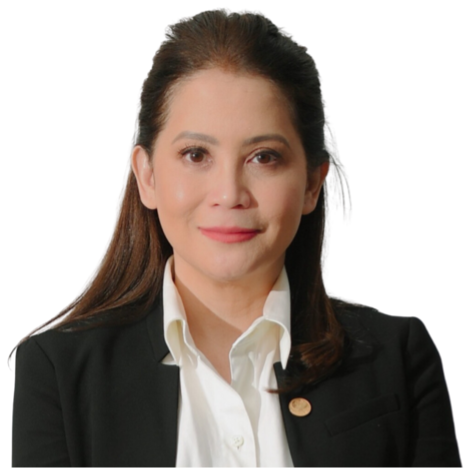
Bernadette Romulo-Puyat, Deputy Governor, Bangko Sentral ng Pilipinas (BSP)
Financial health shifts the conversation from counting how many people are financially included to asking whether inclusion is actually improving their lives.
We can offer the most affordable and accessible financial products, but if people do not use, trust, or understand them, those products are worthless and potentially harmful to vulnerable populations.
Many factors can undermine financial health. A lack of affordable financial products, low financial literacy, emergencies, and unemployment can all leave families scraping by or falling into economic distress.
Digitalization is a good example. Across the world, it is giving people easier access to financial services, but that access comes with greater risk of fraud and scams. It takes only one scam to erase a family’s hard-earned savings and erode their trust in the digital financial infrastructure.
This is why financial health is multidimensional. Its success depends on everything from financial inclusion and consumer protection to financial education and responsible innovation. Achieving it requires a whole-of-society approach in which governments, regulators, and the private sector work together.
In the Philippines, nine out of ten households own transaction accounts. That is the easy part. The next challenge is making sure people use those accounts not only for transacting, but to improve their daily lives by saving, insuring, and making informed financial decisions.
Here is what the BSP has done and is doing to get there:
- A revised national strategy. Our NFIS will soon become a National Strategy for Financial Health and Inclusion, with a core group dedicated to developing our National Strategy for Financial Education.
- Financial health-centric policy and regulation. We have removed all online gambling links from mobile banking services, e-wallets, and digital marketplaces. We also revised bancassurance rules to increase the selection of insurers customers can choose from.
- Better measurement. A new annual financial health survey helps us measure financial well-being across the country.
- Regional leadership. As chair of the Association of Southeast Asian Nations (ASEAN), we are championing financial health across the region and advocating for a common regional framework.
I want financial health to be more than a topic for plenaries and policy discussions. I want it integrated into central banks’ strategies and built into the actual design of financial products and services. Above all, I want to see financially healthy Filipinos who are resilient, more financially independent, and confident about their future.