
By Khaled Bassiouny, General Manager, Financial Inclusion Department, Central Bank of Egypt
Expanding access to financial services is an important step towards financial inclusion, but access alone is not enough. We must also ensure that financial services meet people’s everyday needs.
This is an important consideration as we build on the achievements of Egypt’s first National Financial Inclusion Strategy (NFIS) and advance our second NFIS (2026-2030). Having expanded access, we are now placing greater emphasis on usage and service quality through better data, more customer-centric financial products and services, and increased financial literacy.
Data that drives change
Our second NFIS relies on evidence-based demand and supply data to help us understand underserved groups and create products that serve them better.
Our Financial Inclusion Data Hub uses the National Identification number to collect and analyze sex-disaggregated supply-side data directly from financial institutions, banks, mobile network operators, payment service providers, and the postal service.
A recent 2026 demand-side survey, conducted with support from the World Bank and International Finance Corporation, measured adoption, barriers, behavior, and socio-demographic disaggregation (such as gender, age, and location) among individuals and Micro, Small, and Medium Enterprises (MSMEs). It provides a nationally representative dataset that informs implementation of the new NFIS and supports evidence-based policy design.
Catering to consumer needs
Our second NFIS emphasizes usage for women, small and medium-sized enterprises (SMEs), youth, handicrafts, rural communities and people with disabilities. To achieve this, financial products and services must respond effectively to their everyday needs.
Our 2026 demand-side survey goes a long way in identifying critical usage patterns, gaps, and barriers that financial institutions can use to tailor savings, credit, and payment products to citizens’ needs. But the Central Bank of Egypt (CBE) also collaborates with relevant stakeholders, including the National Council of Women and the Ministry of Youth and Sports, to ensure policies and products align with each demographic’s unique challenges.
Balancing innovation with education
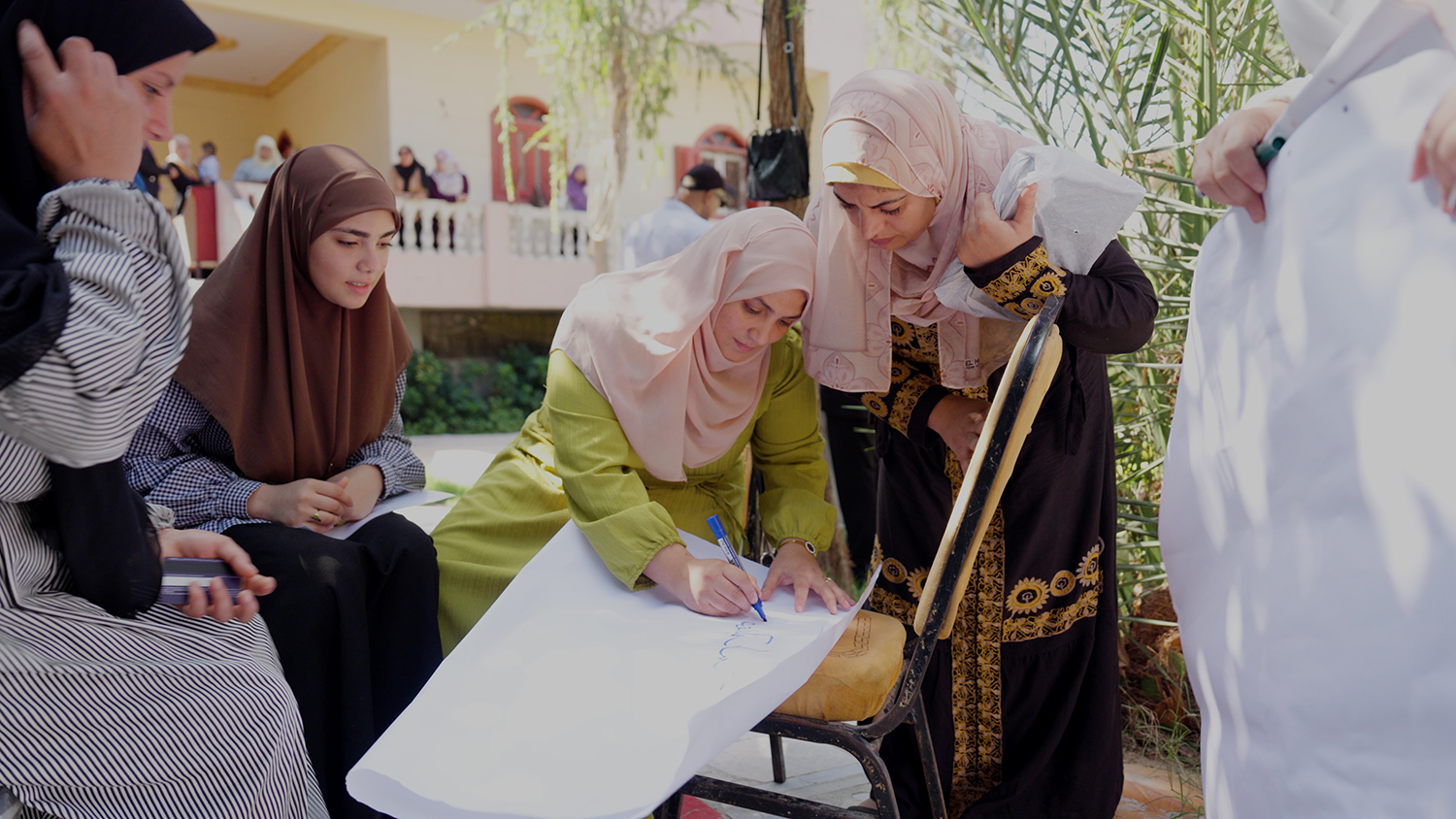
The second NFIS supports responsible, safe digital financial services usage through increased financial literacy. The CBE already runs ambitious financial literacy campaigns across the country, including the Village Savings and Loan Associations program and the School Bank initiative.
To identify remaining gaps in financial education, we recently launched the country’s first financial literacy demand-side survey. We are also establishing a three-part framework to equip banks and other stakeholders with tools to promote and advance financial literacy countrywide.
Listen and adapt
As of mid-2026, 79% of Egyptian adults (15 and older) hold active formal transaction accounts. Our second NFIS aims to increase that number to 82% by 2030. By listening to our customers and developing services around their needs, we hope we can help more people participate in, and benefit from, the formal financial system.