
Guest article from Maldives Monetary Authority
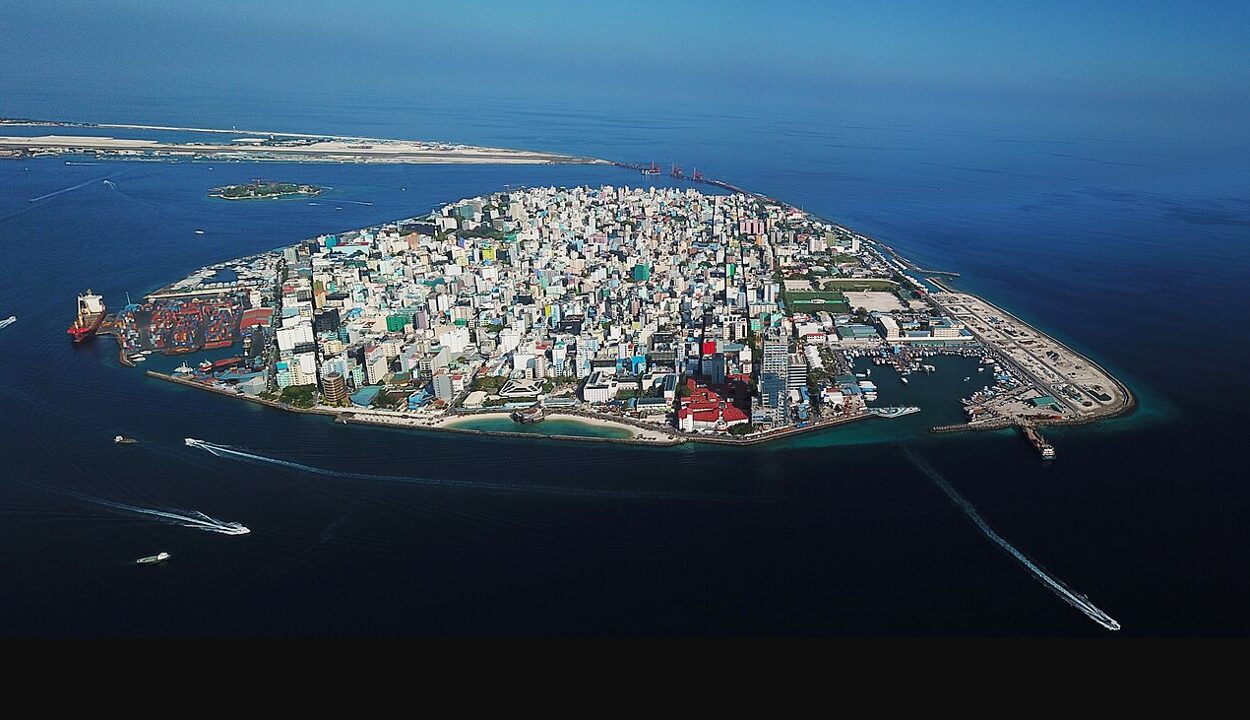
Access to housing financing can be a powerful lever for financial inclusion. In the Maldives, a geographically dispersed island nation, rapid urbanization concentrated in the capital city has pushed affordable housing out of reach for many. Scarce land, high property values and elevated construction costs have placed homeownership out of reach for large segments of the population. To compound the situation, conventional banking models systematically exclude low-income households, informal workers, youth, and women. The result is not only a housing crisis, but exclusion from the formal financial system itself.
To bridge this gap, the Maldives Monetary Authority has introduced the Inclusive National Affordable Housing Scheme (INAH). The Scheme, which has been rolled out for an initial five-year period, mandates that all licensed banks allocate 10–15% of their loan portfolios towards a designated INAH fund.
The INAH Fund will provide two types of long-term (minimum maturity of 25 years) housing finance facilities:
- Type A: Lease ending with ownership
- Type B: End-user financing
Funds allocated to Type A will be used to procure affordable residential property developments through an appointed developer. Properties will then be rented to prospective tenants on the basis of a lease ending with ownership at the maturity of the facility.
Under the Type B facility, eligible beneficiaries will receive financing to purchase housing units from designated affordable housing projects. The profit rate on both financing facilities is capped at 5–6%, substantially lower than market rates.
Both facilities are designed to extend affordable and accessible housing finance to those who have been excluded from the market.
The Maldives considers inclusive and affordable housing finance as a powerful tool for advancing social equity and economic development. The INAH scheme aims to bridge systematic finance housing access gaps, giving underserved groups the opportunity to invest in secure and dignified homes.